Locked In and Paying for It: The Hidden Costs of Packaging Contracts California Brands Signed in Better Times
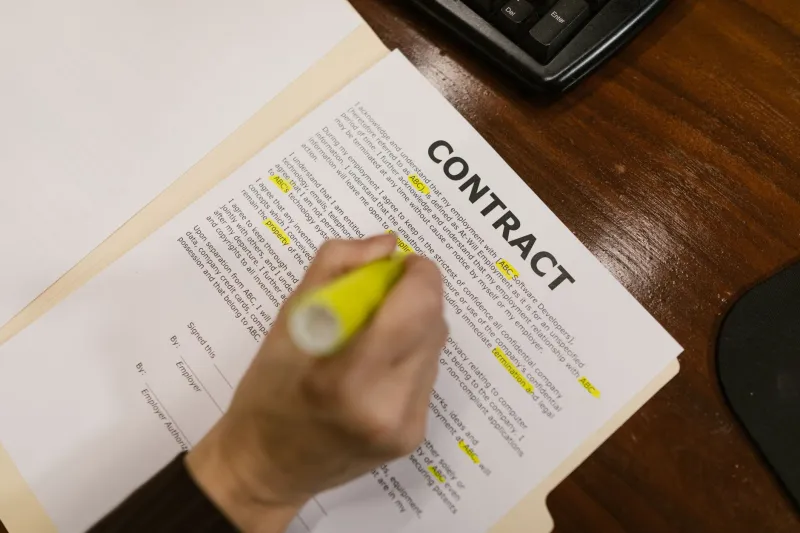
The logic was sound at the time. Lock in pricing, secure supply, eliminate the uncertainty of spot purchasing, and free the operations team to focus on growth. Multi-year packaging agreements were sold to California businesses—and genuinely believed by the executives who signed them—as instruments of stability.
For some, they delivered exactly that. For others, those same agreements have quietly become something else: a form of packaging debt that compounds with every quarter the market moves in directions the contract did not anticipate.
This is not an argument against long-term supplier relationships. It is an argument for understanding what you actually signed—and for recognizing the difference between a commitment that ages well and one that does not.
How Packaging Debt Accumulates
The term "packaging debt" is borrowed deliberately from the concept of technical debt in software development—the compounding cost of decisions made for short-term convenience that create long-term friction. In the packaging context, debt accumulates through several distinct mechanisms.
Volume commitments that no longer reflect reality. Many multi-year agreements include minimum purchase obligations tied to volume projections made during growth periods. When sales trajectories change—as they do, reliably, for most businesses over a three-to-five-year horizon—companies find themselves purchasing packaging they cannot use at the rate the contract assumed. The result is excess inventory, capital tied up in materials, and warehouse costs that were never part of the original financial model.
Material specifications that predate regulatory shifts. California's packaging regulations have evolved substantially in recent years, and the pace of change is accelerating. A contract that locked in a specific material formulation may now bind a business to a substance facing restriction, a coating under scrutiny, or a structure that no longer qualifies for the recyclability claims the brand has been making. Exiting the specification requires renegotiation—which is only possible if the contract permits it.
Pricing structures that assumed stable input costs. Some agreements included escalation clauses tied to raw material indices that seemed reasonable in a low-inflation environment. In a period of sustained cost pressure, those same clauses have translated to price increases that outpaced what open-market sourcing would have produced.
Design lock-in that stifles brand evolution. Perhaps the least visible form of packaging debt involves creative constraints. Agreements that specify tooling ownership, proprietary die lines, or exclusive structural formats can make even modest packaging refreshes expensive or contractually complicated. Brands that have invested in packaging as a brand asset find themselves unable to evolve that asset without triggering costs the original agreement did not make obvious.
The Exit Cost Calculation Most Brands Skip
When packaging debt becomes apparent, the instinct is often to wait it out—to honor the remaining term, absorb the costs, and negotiate more carefully next time. In some cases, that is the right call. In others, it reflects an incomplete analysis.
A genuine exit cost calculation requires more than reading the termination clause. It requires quantifying the ongoing cost of staying: the carrying cost of excess inventory, the compliance risk associated with restricted materials, the revenue impact of being unable to refresh packaging in response to market feedback, and the opportunity cost of capital committed to a supplier relationship that no longer serves the business's current strategy.
When those ongoing costs are totaled and projected over the remaining contract term, the picture sometimes changes. An early termination fee that appeared prohibitive may prove less expensive than the accumulated cost of staying in a contract that no longer fits.
Finding Leverage in Renegotiation
For businesses that prefer renegotiation to exit, the leverage available is often underestimated.
Suppliers with multi-year commitments have their own incentives to preserve the relationship. A California brand that approaches renegotiation with clear data—documented volume shortfalls, regulatory compliance requirements, specific operational constraints created by current terms—is in a stronger position than one that simply expresses dissatisfaction.
Effective renegotiation typically targets a few specific modifications: volume floor adjustments, material substitution rights that allow for regulatory compliance without full contract restart, and design flexibility provisions that permit cosmetic updates without triggering tooling cost penalties. These are not wholesale contract rewrites. They are targeted amendments that remove the most costly constraints while preserving the elements of the relationship that continue to deliver value.
Auditing Existing Agreements Before the Next Renewal
The most practical near-term step for California businesses carrying packaging debt is a structured contract audit—ideally conducted before renewal conversations begin, when leverage is at its highest.
A useful audit examines each active agreement against four questions. Does the volume commitment still reflect realistic consumption projections? Do the specified materials remain compliant with California's current and anticipated regulatory requirements? Does the pricing structure produce competitive unit economics relative to current market rates? And do the design and specification terms permit the brand evolution the business expects to need over the remaining term?
Agreements that pass all four tests are assets worth renewing. Those that fail one or more are candidates for renegotiation, restructuring, or, in some cases, an honest conversation about exit.
The businesses that signed these agreements were not making poor decisions—they were making reasonable decisions with the information available. The question now is whether those decisions are being evaluated with equal rigor given the information available today.